Living abroad often looks cheaper on paper. Lower rent, affordable food, and a slower pace of life all sound appealing. And in many ways, it can be cheaper. But what most people don’t factor in are the layers underneath, the small, recurring, and often frustrating costs that quietly stack up making a cheap destination not so cheap once you get there!
It’s not usually one big expense that catches you out. It’s the combination of many smaller ones that you didn’t plan for. In this article will discuss some of cost’s that catch people off guard.
Getting Set Up Isn’t Cheap
The first surprise many expats face usually comes before you’ve even settled in.
Rent might look like a bargain, but landlords often want two months’ deposit plus one month upfront. That’s a decent chunk of cash gone and locked up immediately. In some cases, there are agent fees on top.
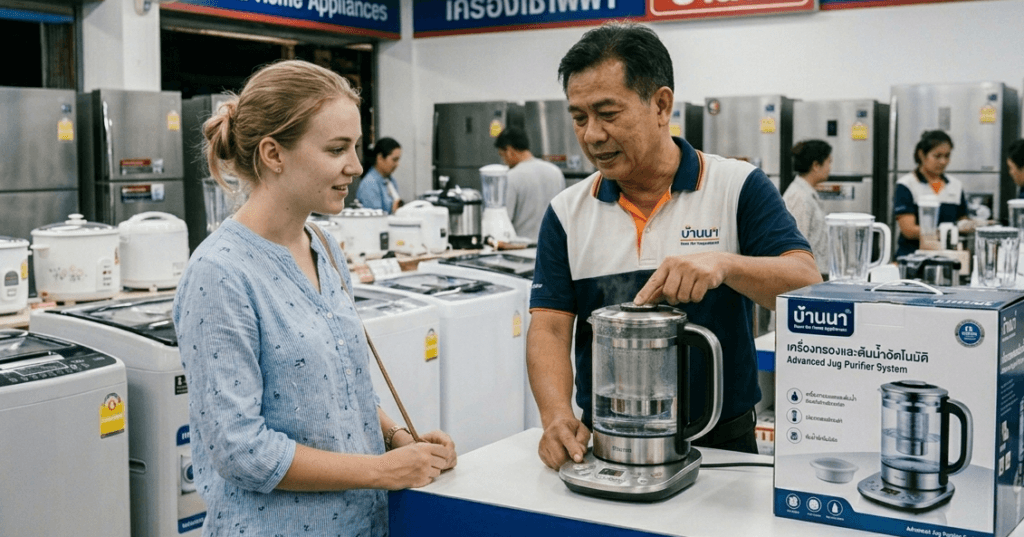
Then you move in and realise how “furnished” your place actually is. You’ll likely need to buy basics, bedding, pillows, kitchen gear, drying racks, cleaning supplies, power boards, printer, maybe even a desk or a microwave. None of it is expensive on its own, but it adds up quickly and becomes baggage tying you down.
By the time you feel properly set up, you’ve already spent far more than expected. I like to work on $500 to $1000 to setup a place to be livable.
Cheap Monthly, Expensive to Leave
A lot of services look affordable until you try to get out of them!
Internet plans, phone contracts, gym memberships, and rental agreements often come with minimum terms. If you decide to leave early or change plans, you can lose deposits or pay penalties.
It’s easy to commit when everything feels new. It’s harder when your plans shift a few months later.
Before signing up to an internet contract or gym, make sure you are settled and have read the fine print.
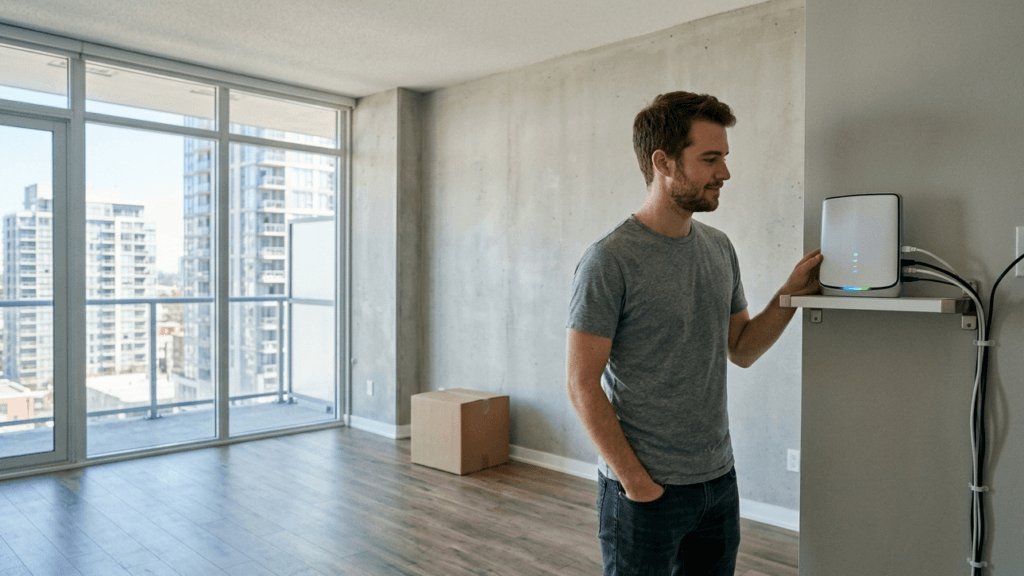
Condo Living Isn’t Fully Hands-Off
There’s often an assumption that renting a condo means everything is taken care of. In reality, that’s not always the case, especially in many SE Asian countries such as Thailand and Vietnam.
Pest control and air conditioning cleaning are a common example. Ants, cockroaches, and the occasional surprise guest are part of life in tropical climates, and the costs of dealing with them often falls on you. If you use your air-conditioner daily, it will need to be professionally cleaned every 3-6 months at your expense to keep it running efficiently
For appliances, many contracts specify that the renter is responsible for maintaining them if they break and replacing them when they break. This can be a grey area and fight when a 10 year old hot-water system or fridge fails on the first month of moving in.
The Monthly Lifestyle Creep
This is where most of the money goes, quietly.
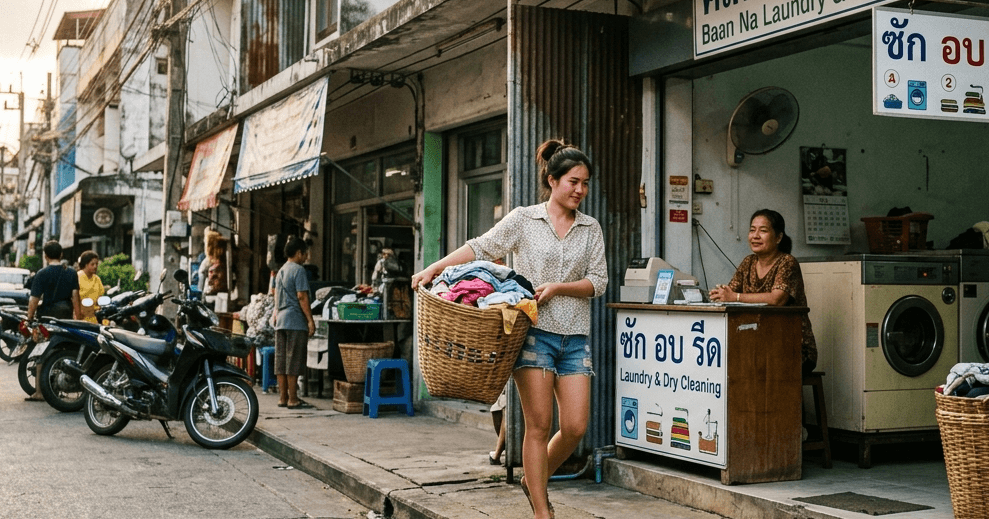
Electricity climbs with aircon use. Gym memberships get purchased. Laundry gets outsourced to the old lady on the street corner because it’s easier. Water gets delivered. You grab a coffee on the way out, order food when you’re tired, and suddenly convenience becomes a habit.
Once you start living, your calculated living your spreadsheet didn’t account for start to creep up.
Paying to Access Your Own Money
One of the more frustrating costs is something you rarely notice at first is accessing your own money.
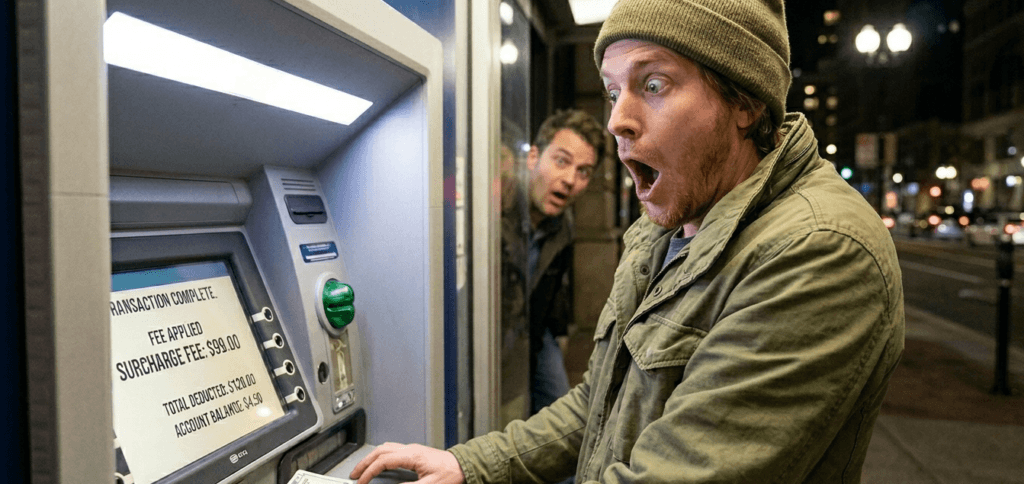
Overseas ATM withdrawals come with flat fees. In Thailand this fee recently increased to 350b (~$10.00) with a maximum withdrawal of 25,000 for most ATM. On-top of this your home bank may also add its own withdrawl charges and offer a less than favourable exchange rate.
Over a year, this can add up to far more than most people realise and can easily add an extra 5% on your day to day costs. Options like WISE are an excellent to get more favorable exchange rates and avoid many fees traditional banks charge.
Healthcare Isn’t Always as Simple or cheap as Expected
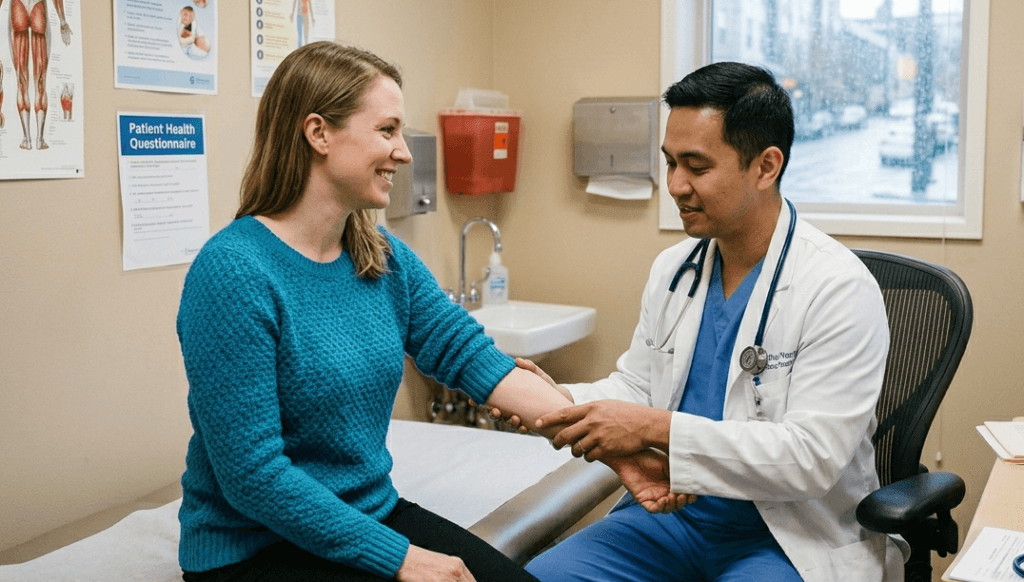
Countries like Thailand have good private healthcare, and it’s often more accessible than back home. But that doesn’t mean it’s cheap in practice.
When living abroad you will get sick and will get hurt.
While your travel insurance provider may cover major injuries and illness, not everything is covered, particularly the smaller day to day issues, dental and medications. Many hospitals and local insurers offer packages to expats living abroad that can be very attractive compared to International options but it still a cost that needs to be factored in.
The Cost of Staying Legal
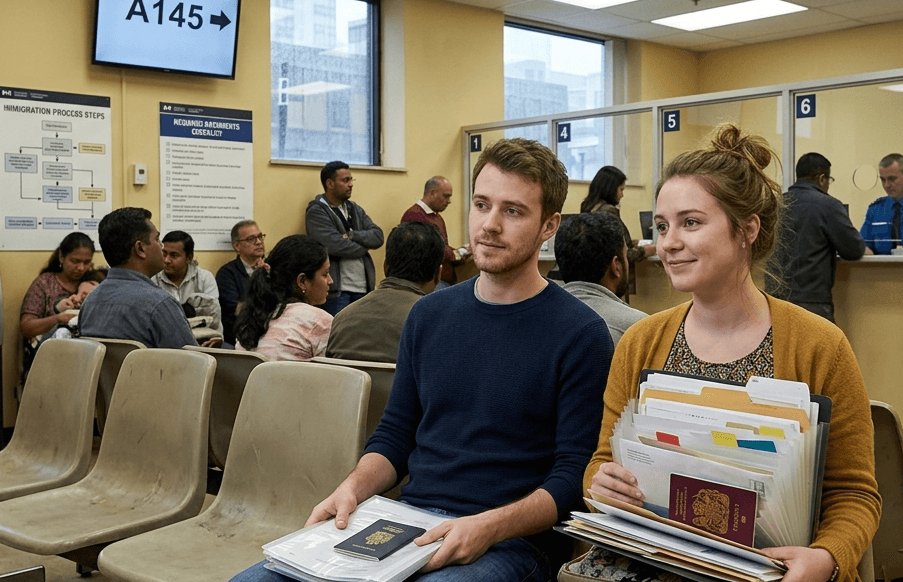
Visas are rarely a one-time expense and must considered when choosing a country to live.
There are renewals, extensions, re-entry permits, regular reporting requirements and the occasional fine. Even if the fees themselves aren’t huge, they come up often enough to matter. Add in travel to immigration offices or the cost of using an agent, and it becomes a meaningful part of your ongoing budget.
It’s not just about money either. Immigration formalities take time (sometimes days of time each year) and careful attention.
Border Runs and the “Nomadic” Lifestyle
For those trying to stay on tourist visas while working remotely, border runs can become a routine and begin to really add up after several month .
Flights or transport to nearby countries, visa’s, a few nights of accommodation, and time lost organising it all. What feels like a short trip ends begin to become very expensive and create a mental toll.
With recent immigration crack downs in Thailand against ‘Nomads’ on tourist visa’s and Iran crisis disrupting travel, it is not the stress-free affordable lifestyle it once was.

Getting Around Adds Up
Transport is generally affordable, but it isn’t free.
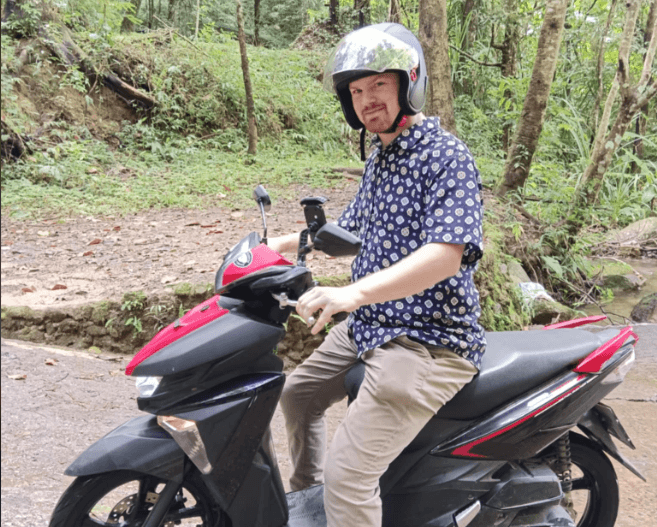
Scooter rental or ownership comes with fuel, maintenance, and the occasional unexpected cost. Minor accidents happen. Paperwork matters more than people think, especially when it comes to licences and insurance.
If living in a country long-term you are faced with the question “Do I rent or Do I Buy?”. A reliable motorcycle in Asia starts around the USD$1000 mark or around USD$100 to rent. On-top of this you have running costs like fuel, registration/insurance & servicing (if owned).
Public Transport has it’s cost also, particularly outside of Asia.
It’s manageable, but it’s another steady expense in the background that has to be considered.
The Costs That Come Out of Nowhere
Some expenses don’t fit into a monthly budget, but come out of the blue and require an emergency fund.
Some common examples include:
- Flights home for emergencies.
- Replacing items that wear out faster in heat and humidity (phones, laptop, clothing)
- Equipment that is damaged, lost or stolen.
- Losing part of a deposit.
- Fixing a mistake you didn’t know you were making.
These expenses don’t happen often, but when they do, they hit unexpectedly and hard.
The Reality
Living abroad can still be more affordable than staying home in your home country. For many people, it’s absolutely worth it.
But the idea that it’s automatically cheap and the price you hear about in a video online doesn’t hold up in real life.
The difference comes down to expectations. If you plan for these hidden costs, they’re manageable. If you don’t, they slowly eat into your budget and cause significant stress.
A simple buffer, even 10 to 20 percent above what you think you’ll need, can make a big difference.
Have you been caught out abroad with higher than expected living costs? Share your story below